Food and Meals at Daycare
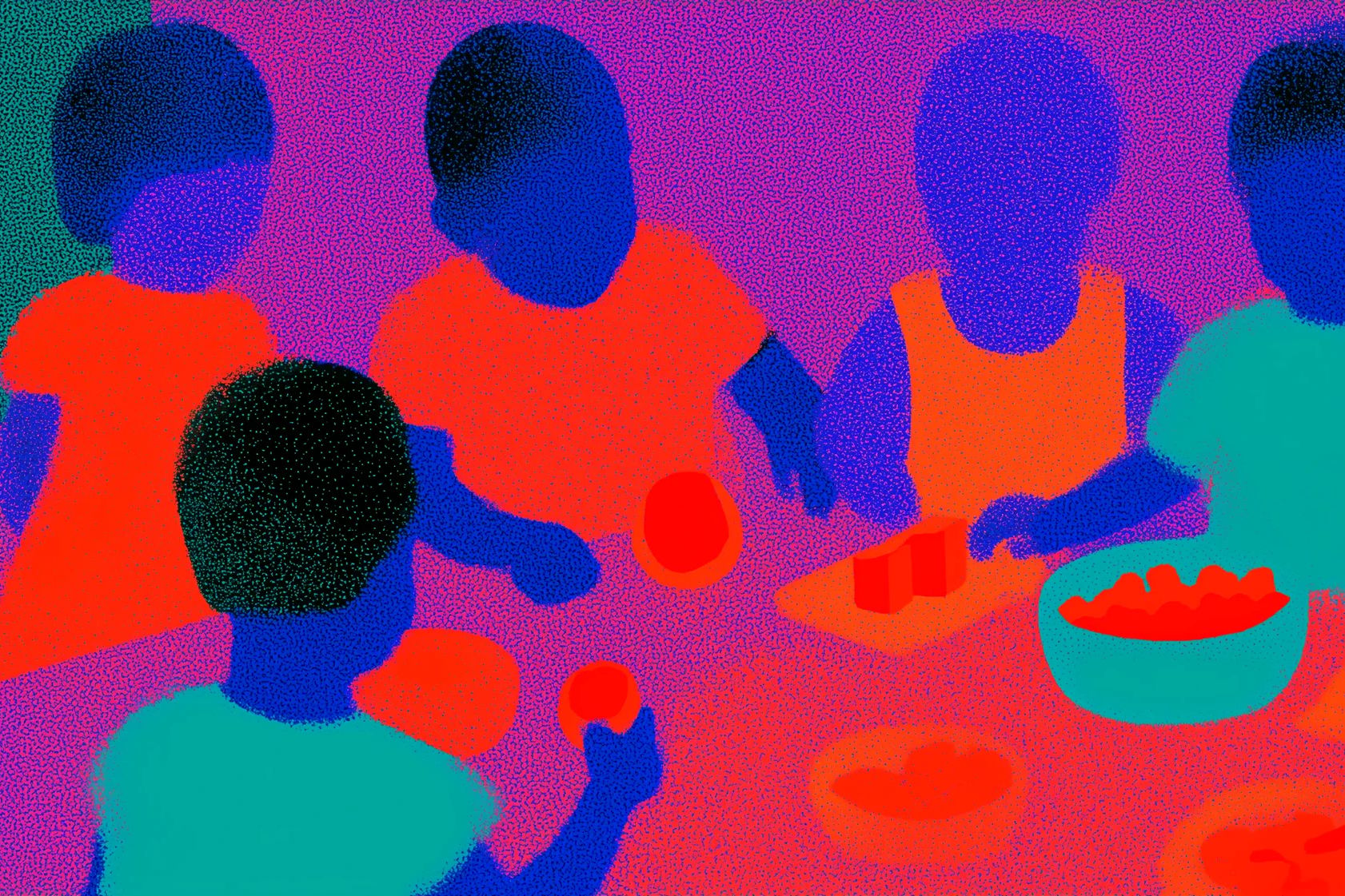
You open the lunchbox after a day at daycare. The rye bread sandwich is almost untouched, the cucumbers are still there, and you wonder: Did my child even eat anything today? Questions about food and meals occupy many parents – and with good reason.
Meals Are More Than Just Food
At daycare, meals aren't just about nutrition. They are social gathering points, learning situations, and practice rooms for independence. When children sit together at the table, they practice everything from fine motor skills to conversation and community.
Eating in a group is different from eating at home. There are other sounds, other people, and other expectations. Some children thrive with it from day one, while others need time to get used to it.
When Appetite Fluctuates
Young children naturally have fluctuating appetites. Some days they eat everything they get, other days they barely touch the food. This is completely normal and rarely cause for concern.
At daycare, appetite can be affected by many factors. Maybe the child is tired, maybe there's exciting play calling, or maybe the food just tastes different than at home. Trust that your child eats when they're hungry.
New Taste Experiences
Daycare is an obvious opportunity to introduce your child to new foods. When other children eat something, it suddenly becomes more interesting to taste. The group effect can open doors that parents couldn't open alone.
Be prepared that your child might eat things at daycare that they refuse at home. That's not a sign that something is wrong – it's just one of the many mysteries of children and food.
Packed Lunch or Shared Meals
Some daycares serve communal meals, others require packed lunches. Both have advantages. Communal meals ensure variety and save parents work. Packed lunches give control over what the child gets.
If you pack a lunch, keep it simple. Choose food your child knows and likes. Vary a bit from day to day, but always include something you know the child will eat.
Independence at the Table
At daycare, children are encouraged to eat by themselves as soon as they're ready. It's messy, it takes time, and some of the food ends up places other than the mouth. But it's an important part of development.
Holding the spoon themselves, bringing food to the mouth, drinking from the cup – all of this trains fine motor skills and coordination. It also builds self-confidence: I can do it myself.
Allergies and Special Considerations
If your child has food allergies or other special needs, the daycare must be thoroughly informed. Most facilities have experience handling allergies, but it requires clear communication.
Make a written overview of what the child cannot have, and speak personally with the staff. Make sure that everyone who has contact with your child knows about the restrictions.
Water and Fluids
Children can easily forget to drink, especially when there are exciting things to do. At daycare, staff ensure that water is offered regularly throughout the day.
Water is the best choice for young children. Avoid juice drinks and juice in everyday life – sugar causes energy fluctuations and is bad for small teeth.
Snacks and In-between Meals
In addition to main meals, most daycares have snack times. Fruit in the morning, a piece of rye bread in the afternoon. These small meals keep energy up and prevent children from getting too hungry.
Some daycares ask parents to bring snacks. Pack fruit, vegetables, or whole grain crackers – things that provide slow energy rather than quick sugar spikes.
When Your Child Won't Eat
It can be frustrating when your child apparently doesn't eat anything at daycare. But force and pressure rarely work and can actually make the situation worse. Children who are pressured to eat can develop negative associations with meals.
Talk to the staff if you're worried. They can observe your child at meals and give you a more nuanced picture of what's actually happening. Often children eat more than parents think.
Connection Between Home and Daycare
It helps your child when there's continuity between meals at home and at daycare. If you have special rules or routines around food, share them with the staff. And feel free to ask about how meals happen at daycare.
Remember that it's perfectly fine if things are a bit different. Children quickly learn to understand that different rules apply in different places. That's actually an important social skill.