How do you know if your child is thriving at vuggestue? – 6 signs to look for as a parent
As a parent, it's completely natural to think a lot about how your child is doing when they spend a large part of the day at vuggestue (Danish nursery for children under three). Does your child feel safe? Do they have good relationships with the adults? Are they happy playing and being with the other children?
How do you know if your child is thriving at vuggestue?
When you drop your child off in the morning, you leave an important part of their everyday life in the hands of other adults. That's why it can weigh on you to know whether your child is thriving, feels safe and is developing at vuggestue.
But how can you actually tell whether your child is thriving?
Little children cannot always tell us in words yet how they feel. That's why we need to pay attention to their body language, facial expressions, actions and the small signals they show us in everyday life.
Here you'll find six signs that your child is thriving at vuggestue, and ideas for what you as a parent can look out for.
1. Your child feels safe with the adults
A sense of safety is the foundation of your child's well-being at vuggestue.
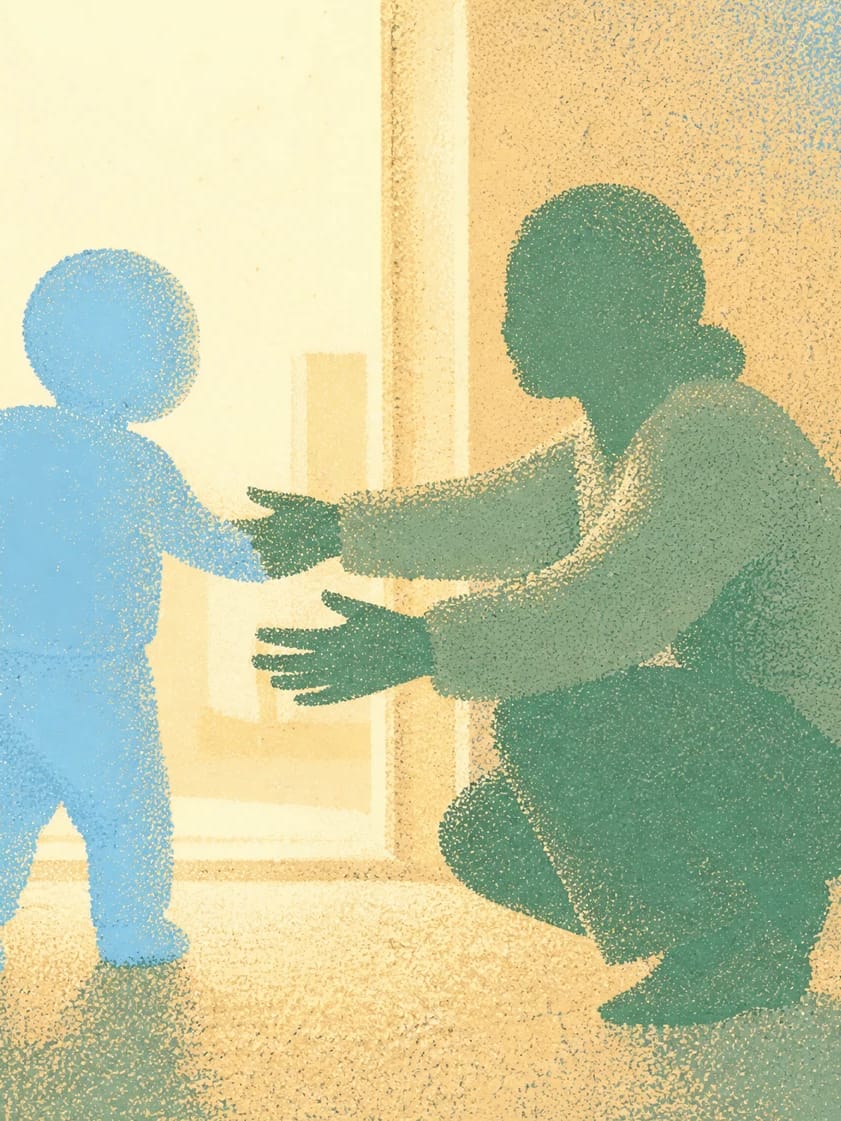
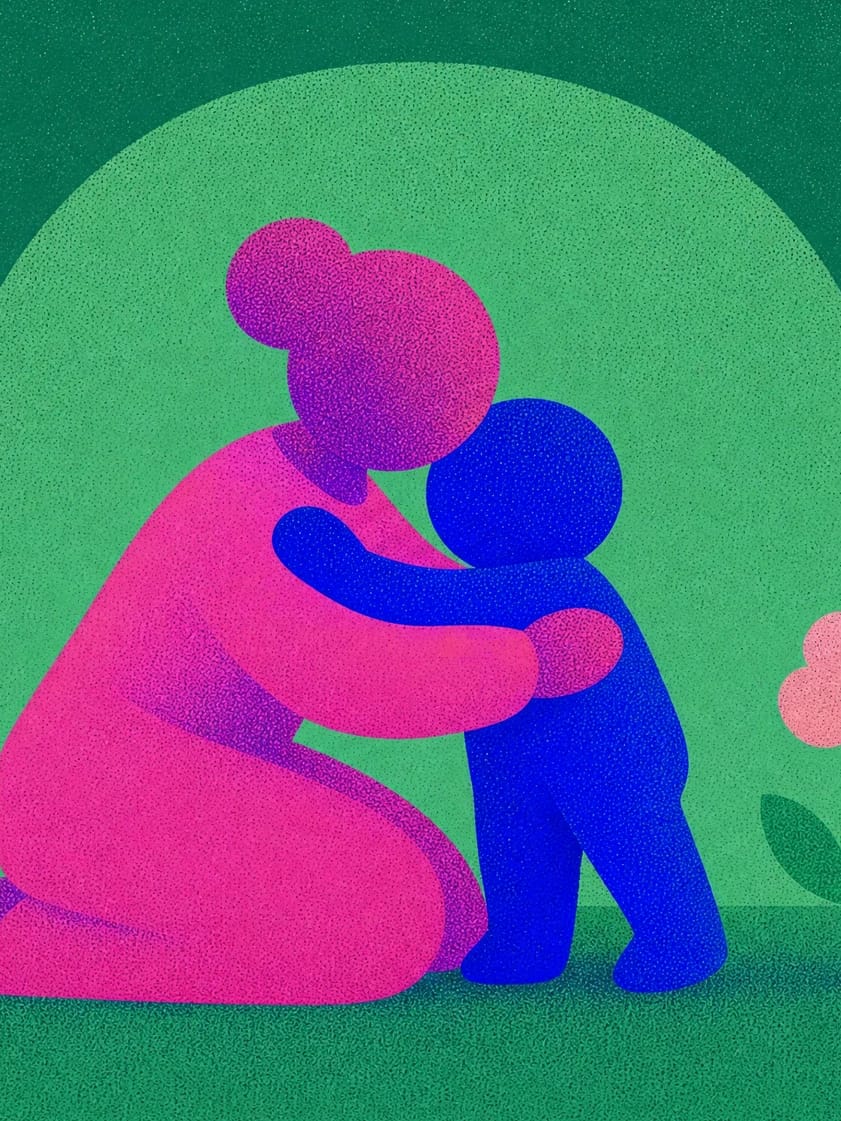
An important sign that your child feels safe is that they seek out the adults when they need closeness, care or help. That might mean reaching their arms up, looking for eye contact, crawling over to an adult or asking for a hug.
When your child has a secure relationship with the adults, they also feel braver about moving away from them and exploring their surroundings. That's because they know there is an adult available when they need help or comfort.
This back-and-forth between closeness and exploration is so important for little children's development and well-being.
2. Your child is curious and wants to explore
A child who feels safe at vuggestue will often show interest in their surroundings.
They might examine the toys, crawl around, watch the other children or become absorbed in new activities. Perhaps they want to join in when books are being read, songs are being sung or everyone is playing in the playground.
Curiosity and the wish to explore are important signs of well-being, because your child is using their surroundings to learn and develop.
It's important to remember, though, that children are different. Some children throw themselves into new activities straight away, while others need to watch from a distance before they join in. Both can be completely natural.
3. Your child shows interest in the other children
At vuggestue, your child gradually begins to develop social relationships and notice the other children.
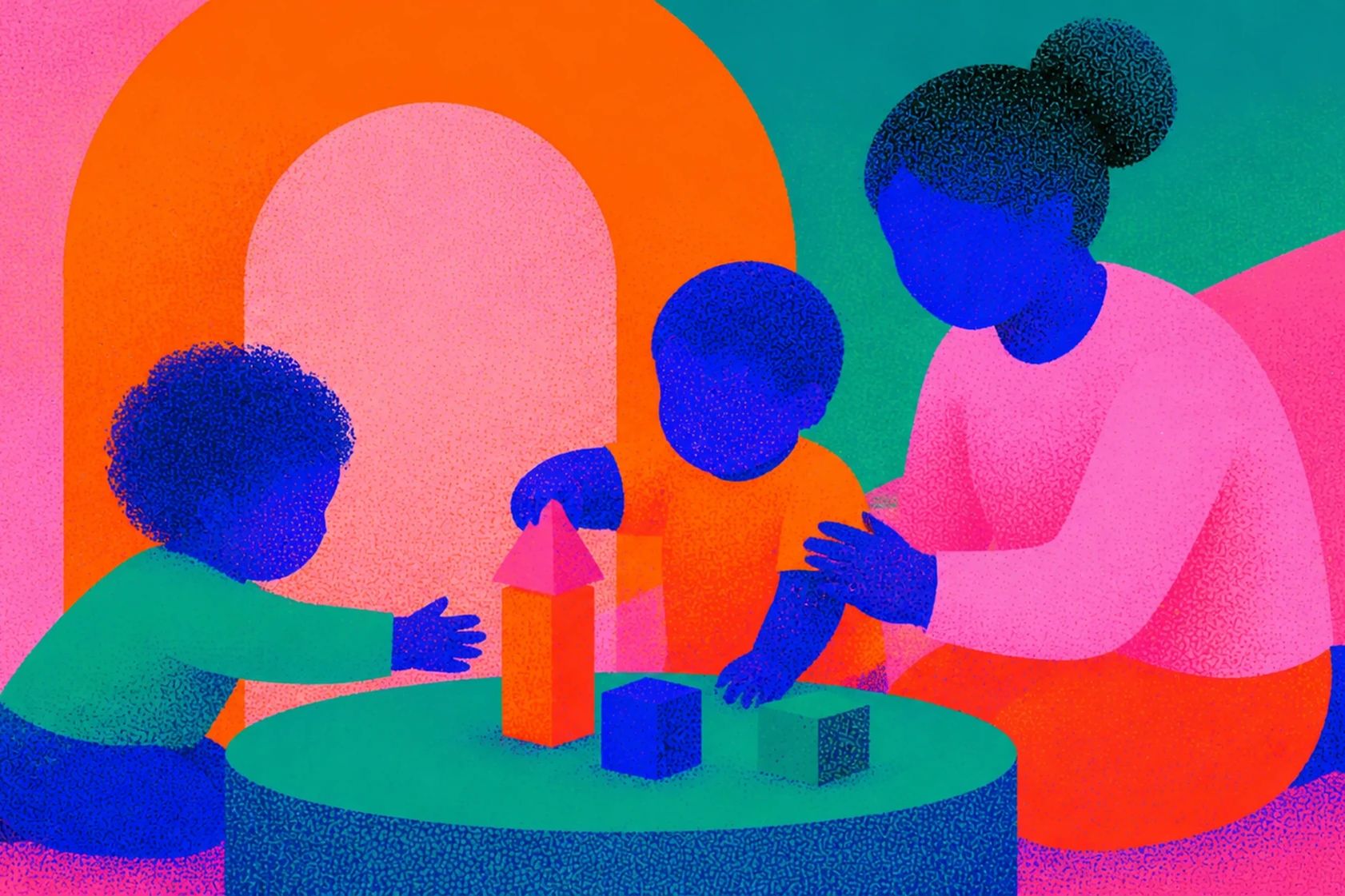
Perhaps your child smiles at another child, follows them, copies what they do or plays beside them. They may also start to show interest in what the other children are doing.
Little children often play alongside one another rather than directly together. That is a natural part of their social development.
When your child shows interest in other children and begins to take part in small communities, it is a sign that they are developing social skills and relationships.
4. Your child dares to show their feelings
Thriving does not mean that your child always has to be happy and content.
A child who feels safe also dares to show when they are sad, frustrated, angry or need extra care.
Little children have not yet developed the ability to handle all their feelings on their own. That's why they need present, attentive adults who can help them find calm, put words to the feelings and create a sense of safety.
It's important that your child experiences that all feelings are allowed, and that there is always an adult who will help.
When your child is met with understanding, care and acknowledgement, their emotional development and sense of safety grow stronger.
5. Your child starts to know the everyday routines
Familiarity and predictability play a big part in little children's well-being.
At vuggestue, the day is often built around fixed routines of meals, play, nappy changes, sleep and activities. When your child begins to recognise the rhythm of the day, it can help create a feeling of safety.
Perhaps your child knows when it's time to eat, or lights up when they can see that it's time to go out to the playground.
These small signs of recognition show that your child is settling into everyday life at vuggestue.
6. Your child finds calm after drop-off
Many parents worry if their child becomes upset at drop-off.
It's completely natural that some children react when mum or dad says goodbye. For your child, drop-off is a transition from the safety of home to another part of the day.
A difficult drop-off is not necessarily a sign that your child isn't thriving at vuggestue.
What matters most is how your child is met by the adults, and whether they then get help to find calm and a sense of safety.
Feel free to ask the staff how your child has been after drop-off. Perhaps they quickly found their way into play, sought contact with an adult, or had a lovely moment with the other children.
It can give you as a parent greater peace of mind to know how your child settles into the rest of the day.
How can you follow your child's well-being as a parent?
As a parent, you can pay attention to the small signs, both when you drop your child off and when you pick them up.
You might, for example, consider:
Does your child seem safe with the adults at vuggestue?
Does your child show interest in play and activities?
Is your child curious about their surroundings?
Does your child seek contact with the adults or other children?
How does your child react when you drop them off and pick them up?
Do the staff tell you about good experiences, relationships and small steps forward during the day?
Remember that children develop differently. Some are very outgoing and seek others out, while others need more time and calm to settle in.
There is no single way of being a child who is thriving. It's about looking at the individual child and being curious about their signals and needs.
A partnership between parents and staff strengthens your child's well-being
A close, trusting partnership between parents and pædagoger (trained early childhood educators) makes a real difference to your child's everyday life at vuggestue.
As a parent, you know your child best of all. You know what makes them feel safe, how they react in different situations, and when something might feel different.
The staff, in turn, see your child interacting with other children and adults, and can tell you about their play, relationships, development and well-being at vuggestue.
When we share our observations and experiences with one another, we get a more nuanced picture of your child's everyday life.
So you should always feel welcome to ask questions, share your thoughts, or say if something is worrying you.