My child doesn't want to go to vuggestue – what should I do?
It can hurt your heart when your child doesn't want to go to vuggestue (Danish nursery for children under three) and resists heading out the door. As a parent, that can bring worry, uncertainty and a guilty conscience. But what might lie behind your child's reactions, and how can you best support them? Here you'll find the most common reasons, and good advice for creating safety and well-being in everyday life at vuggestue.
Why doesn't my child want to go to vuggestue?
When a child reacts with tears or resistance at the thought of vuggestue, it's important to remember that they are communicating through their actions and feelings. Your child cannot always put into words yet what is hard. That's why it's our job as adults to pay attention to their signals and try to understand what they are trying to tell us.
Separation reactions – when goodbye is hard
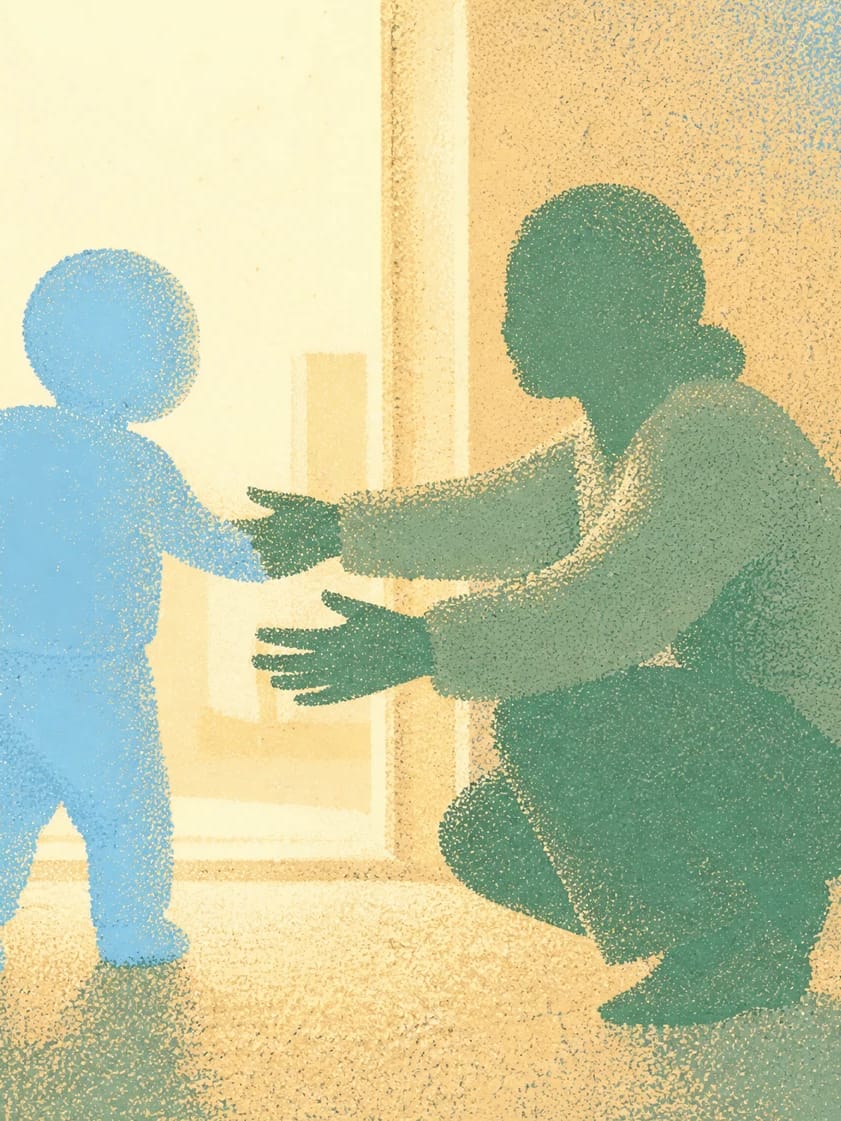
Little children form close bonds with their parents and other important adults. That's why it can be hard to be separated from mum or dad in the morning.
Your child doesn't necessarily understand time in the same way adults do. Even if you say you'll come back later, it can be hard for them to understand that and find safety in it.
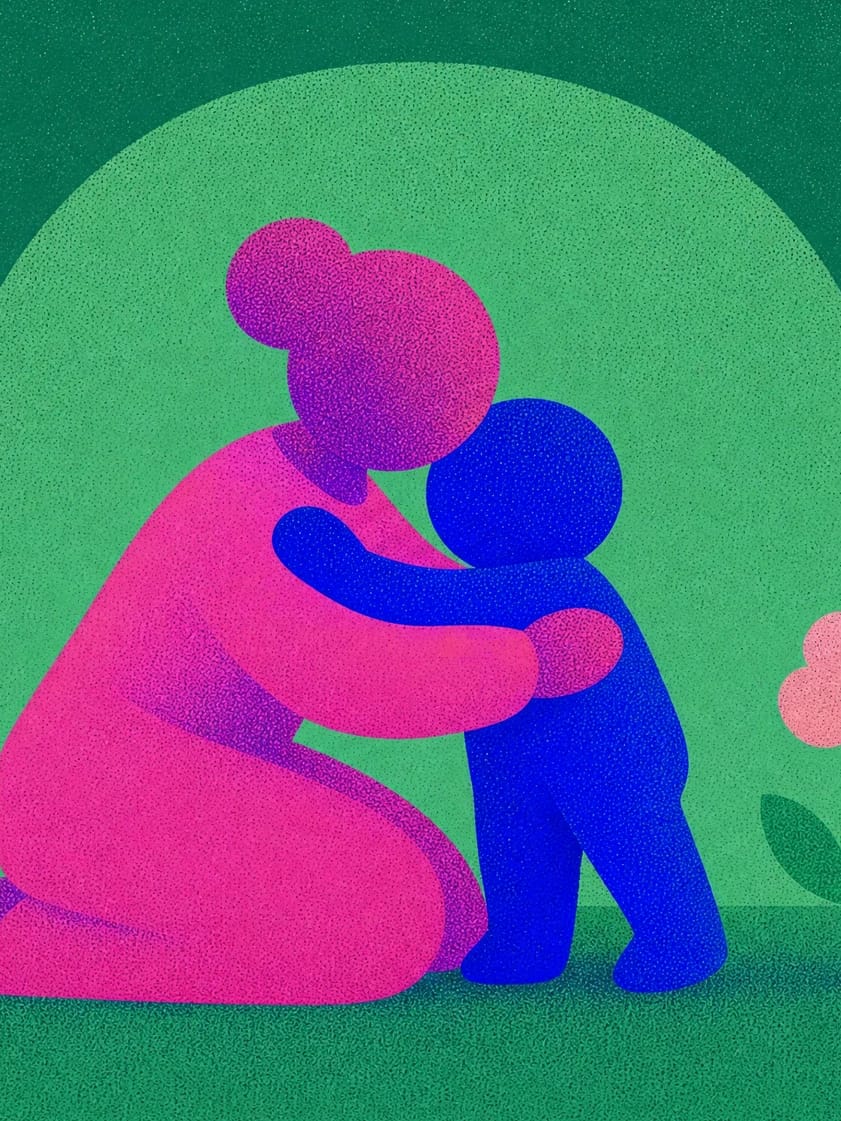
Tears, reaching their arms out for you or clinging to you can be an expression of a natural need for closeness and safety.
Periods of development – when a lot is happening at once
Little children go through big developmental changes. They learn new skills, develop their language, become more independent and begin to understand the world in new ways.
In periods when a lot is happening in your child's development, they may need extra closeness and care. That can mean that a child who used to be happy at vuggestue suddenly reacts with tears or resistance.
Tiredness and too many impressions
A day at vuggestue is full of experiences, sounds, people and activities. For little children, being part of a community with so many impressions can be demanding.
If your child is tired, has slept poorly or needs more calm, it can affect how much energy they have for being at vuggestue. Some children also react to the day's many impressions once they get home, where they may need extra closeness and fewer demands.
Changes in everyday life
Children often benefit from familiarity and fixed routines. That's why changes in everyday life can affect your child's sense of safety.
That might be after a holiday, an illness, a period at home with their parents, or changes in the family's everyday life.
Even if your child used to be happy at vuggestue, they may need time and support to find their way back to the familiar routines.
Relationships at vuggestue
Secure relationships with the adults are essential to your child's well-being. If your child is still getting to know new adults, has changed primary pædagog (their key educator), or doesn't yet feel completely safe in the relationships, it can affect their willingness to go to vuggestue.
It's important that your child experiences adults who are present, available and attentive to their needs.
What can you do as a parent?
When your child doesn't want to go to vuggestue, the most important thing is to create safety and predictability around their everyday life.
Create a familiar drop-off routine
Children benefit from knowing what is going to happen. So try to create a fixed structure in the morning, where drop-off happens in roughly the same way every day.
That might mean hanging up their outdoor clothes, saying good morning to an adult, finding a book or playing a little before you say goodbye.
When your child recognises the routine, the transition from home to vuggestue often feels more manageable.
Be clear and loving when you say goodbye
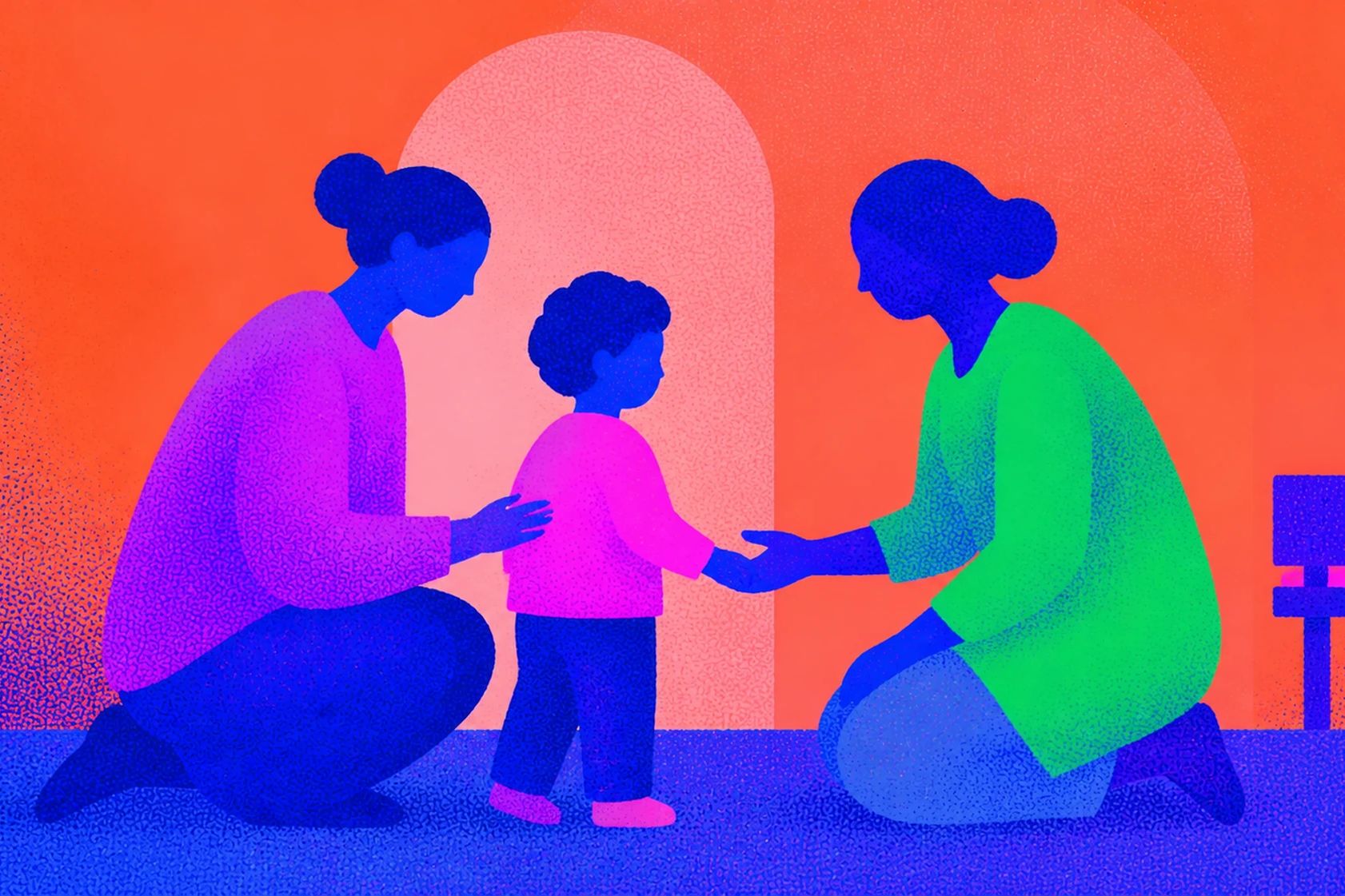
Tell your child that you're leaving now, and that you'll come back later. Avoid sneaking away, as that can leave your child unsure of when you might disappear.
You might say, for example:
“I can see that you’re upset. I’m going to work now, and I’ll come back later to pick you up. You’ll be with (name of the pædagog or medhjælper – the educator or assistant), who will look after you.”
What matters most is that your child feels your calm and clarity, while their feelings are also acknowledged.
Acknowledge your child's feelings
When your child becomes upset, it's important not to try to talk the feeling away.
You might say, for example: “I can see that you don’t want me to go. It’s hard to say goodbye.”
That way you show your child that it's okay to be sad, and that you understand the situation is hard. Your child needs adults who can help them hold the difficult feelings.
Work together with the staff
The staff are important partners when your child doesn't want to come to vuggestue.
Feel free to tell the staff how you experience your child's reactions, and ask how your child is during the day.
Do they settle? Do they seek contact with a particular adult? Do they join in play and activities? Do they seem happy and secure with the other children?
It can be a great help to get a picture of how the rest of the day goes. If your child's resistance continues, it can be a good idea to make a shared plan between home and vuggestue.
Create calm and closeness after vuggestue
After a long day with many impressions, your child may need extra care and closeness.
Many little children need fewer demands, time to play and the chance to be close to their parents when they get home. A quiet afternoon can give your child the chance to find calm after the day's experiences.
When should you pay extra attention?
It's completely normal for children to go through periods of resisting vuggestue. But it's also important to pay attention to how your child is doing overall.
You should pay extra attention if:
Your child is often inconsolable for a long time after drop-off.
Your child seems insecure or withdrawn at vuggestue for a longer period.
You notice marked changes in your child's sleep, appetite or mood.
Your child loses interest in play and contact with others.
The reactions continue over a longer period with no sign of improvement.
If you notice any of these signs, it's important to take them seriously. Talk with the staff and ask for a thorough conversation about your child's well-being. Together you can explore what your child is reacting to, and how you can best support them.
When parents and pædagoger work together, we create the best conditions for your child to experience a connected, secure everyday life.